Chinese
 English
 Deutsch
 italiano
 español
 português
 Nederlands
 日本語
日本語 한국의
한국의




Catégories
Produits chauds
Est-ce le « moment LFP » pour les batteries sodium-ion ?
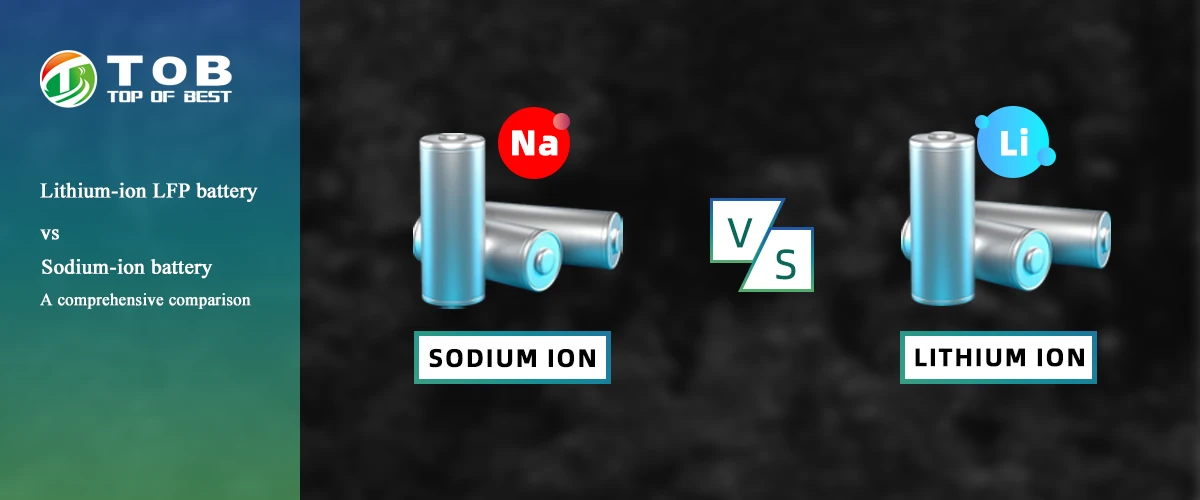
Jul 21,2026Les expéditions mondiales de batteries sodium-ion (Na-ion) connaissent actuellement une expansion fulgurante par effet de dépassement. Selon le Livre blanc 2026 sur les applications technologiques mondiales des batteries Na-ion de Qidian Research, les expéditions annuelles sont passées d’environ 3,6 GWh en 2024 à 9 GWh en 2025. Les analystes de Bernstein prévoient une multiplication par trois pour atteindre au moins 25 GWh en 2026, le stockage d’énergie représentant plus de la moitié de la demande totale. À l’avenir, l’industrie prévoit que le marché dépassera 500 GWh d’ici 2030. Cette progression de 3,6 à 25 GWh en trois ans coche tous les critères d’une industrie au bord d’une percée.
Le croisement des coûts
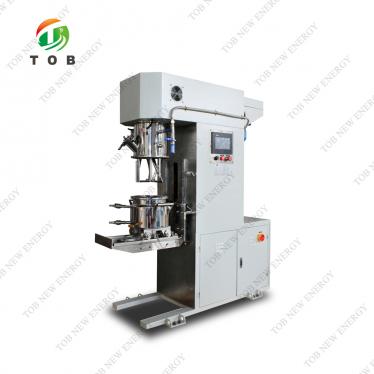
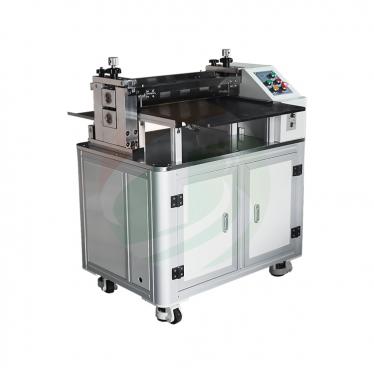
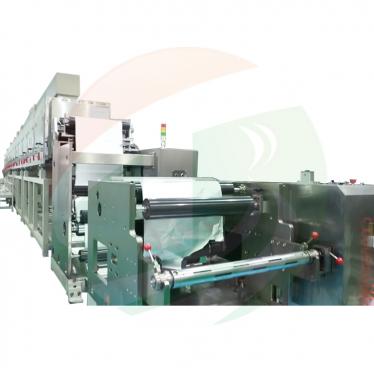
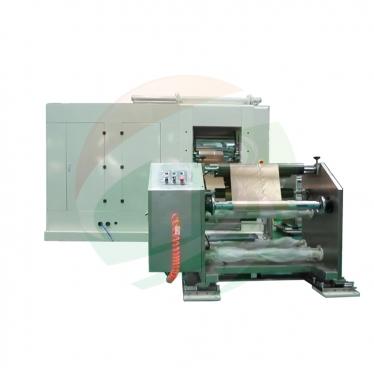
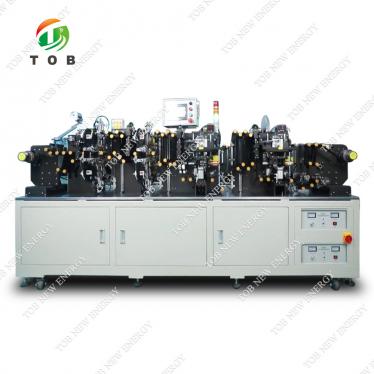
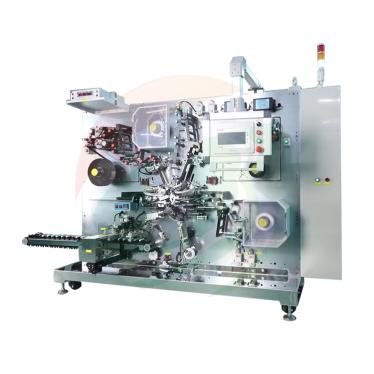
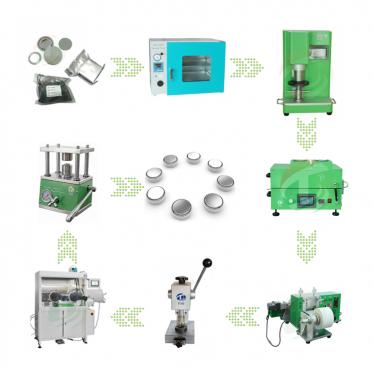
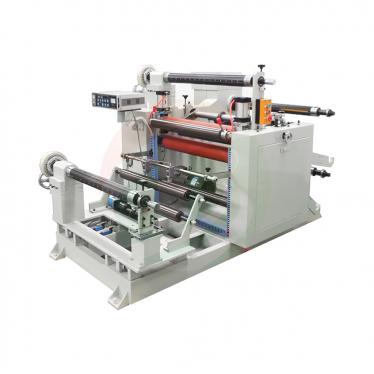
La variable centrale est le coût. Les principaux fabricants s’attendent à ce que les cellules Na-ion utilisant des cathodes à oxyde lamellaire atteignent la parité avec les cellules LFP d’ici fin 2026, grâce aux économies d’échelle sur les matériaux et à l’amélioration des rendements de production. Les coûts des cathodes Na-ion produites en masse ont déjà atteint ceux des cathodes LFP dans un scénario où le carbonate de lithium est évalué à 150 000 RMB par tonne. Parallèlement, les coûts des anodes en carbone dur ont chuté de 60 000–70 000 RMB par tonne en 2024 à 35 000–40 000 RMB par tonne en 2026. Les courbes de coûts se rapprochent progressivement de leur point de croisement. À mesure que l’industrie se développe,TOB NEW ENERGY joue un rôle en élargissant l’accès aux principaux matériaux pour batteries sodium-ion et aux équipements de solutions pour batteries sodium-ion destinés à la production de cellules.
Du laboratoire au gigawatt-heure : les commandes commerciales entrent en service
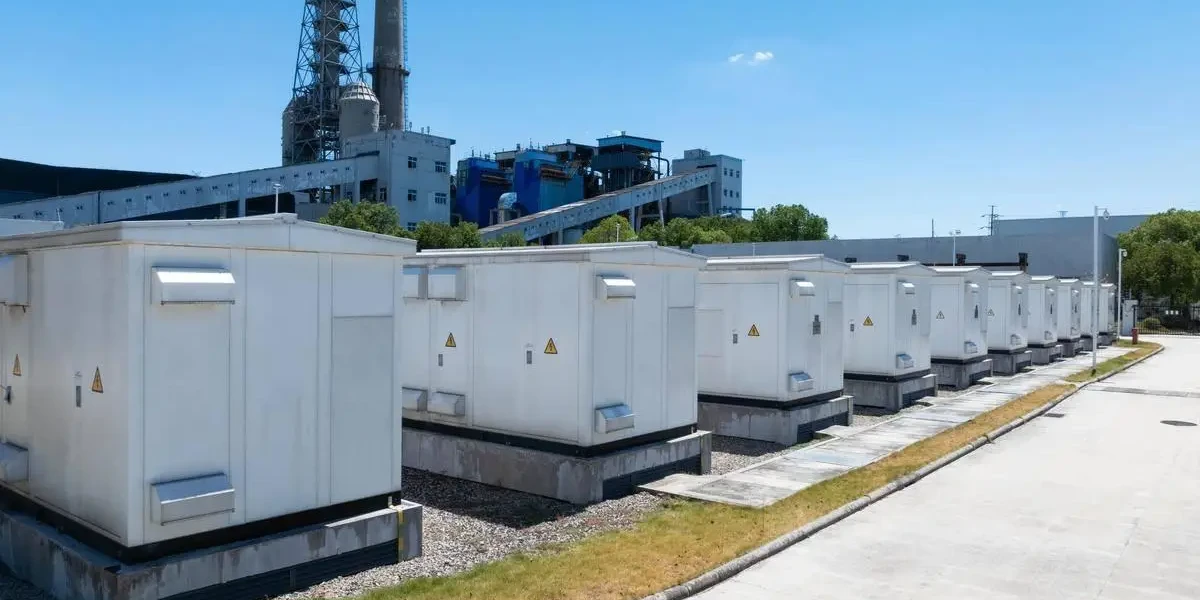
La transition des prototypes de laboratoire vers des commandes fermes à l’échelle du GWh a pris près de cinq ans, mais les grands contrats indiquent désormais que les voies commerciales sont validées. La première station mondiale de stockage d’énergie sodium-ion de classe 100 MWh est entrée en exploitation dans la province du Hubei — une seule charge stocke 100 000 kWh d’électricité, soit suffisamment pour répondre aux besoins quotidiens d’environ 12 000 foyers. Le premier projet chinois de stockage sodium-ion côté réseau de 10 MWh, utilisant entièrement des cellules nationales, a été raccordé au réseau. À Honghu, la première phase d’une installation de 100 MW/200 MWh a passé son inspection d’achèvement.
Des temps difficiles à venir pour les LFP ?
L’essor du sodium-ion réduira inévitablement l’espace de marché du LFP. Le stockage d’énergie est le principal domaine d’application du Na-ion. Bernstein estime que si le Na-ion capte 10–20 % du marché du stockage, la demande pourrait atteindre 350 GWh en 2030 — un volume suffisant pour perturber considérablement la planification des capacités LFP. Une fois la parité des coûts atteinte, le Na-ion disposera d’avantages évidents dans les applications moins sensibles à la densité énergétique : stockage stationnaire, deux-roues, alimentations start-stop, entre autres. En outre, selon CBC Metal Network, la Chine dépend des importations pour environ 70 % de son lithium. Les batteries sodium exploitent les ressources en sels de sodium entièrement autosuffisantes du pays, évitant les risques géopolitiques et les fluctuations de prix associés aux réserves concentrées de lithium. Les producteurs de LFP les moins compétitifs — ceux qui manquent d’agilité technologique et dépendent d’une main-d’œuvre bon marché plutôt que de l’excellence des procédés — seront les premiers à ressentir la pression. Lorsque les coûts du Na-ion s’aligneront, ces lignes feront face à des pertes de commandes et à des capacités inutilisées.capacité.
Coques de noix de coco, prix du lithium et une nouvelle malédiction
La technologie sodium-ion a été idéalisée comme une vision de la « démocratie énergétique » — libérée des contraintes géopolitiques, utilisant le sodium omniprésent pour électrifier chaque recoin. Mais il pourrait s’agir de l’illusion la plus élégante du techno-optimisme. Pour vaincre le LFP, le Na-ion doit non seulement mener une guerre des coûts impitoyable, mais aussi développer une résistance à ses propres contraintes en ressources. Les métaux de transition dans la cathode, l’hexafluorophosphate de sodium dans l’électrolyte et les précurseurs du carbone dur présentent des risques pour la chaîne d’approvisionnement qui ne sont pas moins complexes que ceux du lithium.
Prenons les anodes en carbone dur : les coques de noix de coco étaient autrefois le précurseur privilégié, mais leur faible rendement en carbone limite la disponibilité mondiale à environ 50–60 GWh de capacité Na-ion. Plusieurs acteurs ont déjà abandonné la voie naturelle au profit du carbone dur synthétique issu de matières premières à base de charbon ou de résine, reconnaissant que les filières naturelles ne peuvent pas passer à l’échelle.
La variable la plus importante reste le prix du lithium.
La force fondamentale du Na-ion reste son coût. Alors que les entreprises développent activement des mines de lithium, les prix nationaux du carbonate de lithium de qualité batterie ont fortement chuté début 2026, passant sous 200 000 RMB par tonne en avril. Des acteurs du secteur avertissent que si les prix du lithium restent durablement inférieurs à 50 000 RMB par tonne, les coûts du LFP pourraient se comprimer considérablement, réduisant la fenêtre économique du Na-ion. Depuis le début de 2026, les prix du carbonate de lithium ont rebondi, augmentant de plus de 100 % par rapport aux plus bas de l’année précédente et offrant au Na-ion une précieuse fenêtre d’opportunité — mais les prix du lithium ne sont jamais un pari à sens unique.
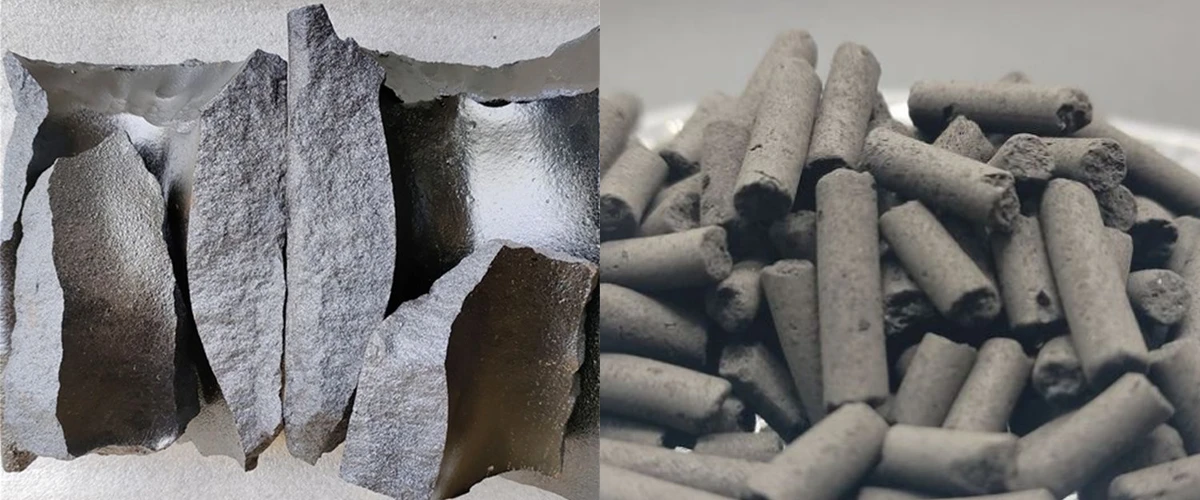
Carbone dur à base de coques de noix de coco contre carbone dur à base de charbon
Un tournant, pas la destination
Le point d’inflexion est réel, mais ce n’est pas la ligne d’arrivée. Trois montagnes se dressent encore devant les batteries sodium-ion : les goulets d’étranglement des précurseurs (symbolisés par les coques de noix de coco), la volatilité des prix du lithium et le défi considérable de l’industrialisation. Nous pensons souvent explorer un nouveau territoire, alors qu’en réalité nous ne faisons que répéter des rythmes historiques. La batterie Na-ion d’aujourd’hui, plutôt que de définir une feuille de route totalement nouvelle, reflète une inertie industrielle profondément ancrée : exploiter des ressources plus abondantes, réduire les coûts et alimenter une soif d’énergie impossible à étancher.
Pour répondre à la demande en forte croissance, un accès fiable aux matériaux avancés pour batteries sodium-ion et aux équipements de recherche et de fabrication est essentiel. Des entreprises comme TOB NEW ENERGY fournissent des solutions complètes qui aident les fabricants de batteries à passer de la R&D à la production de masse.
 abonnez-vous